

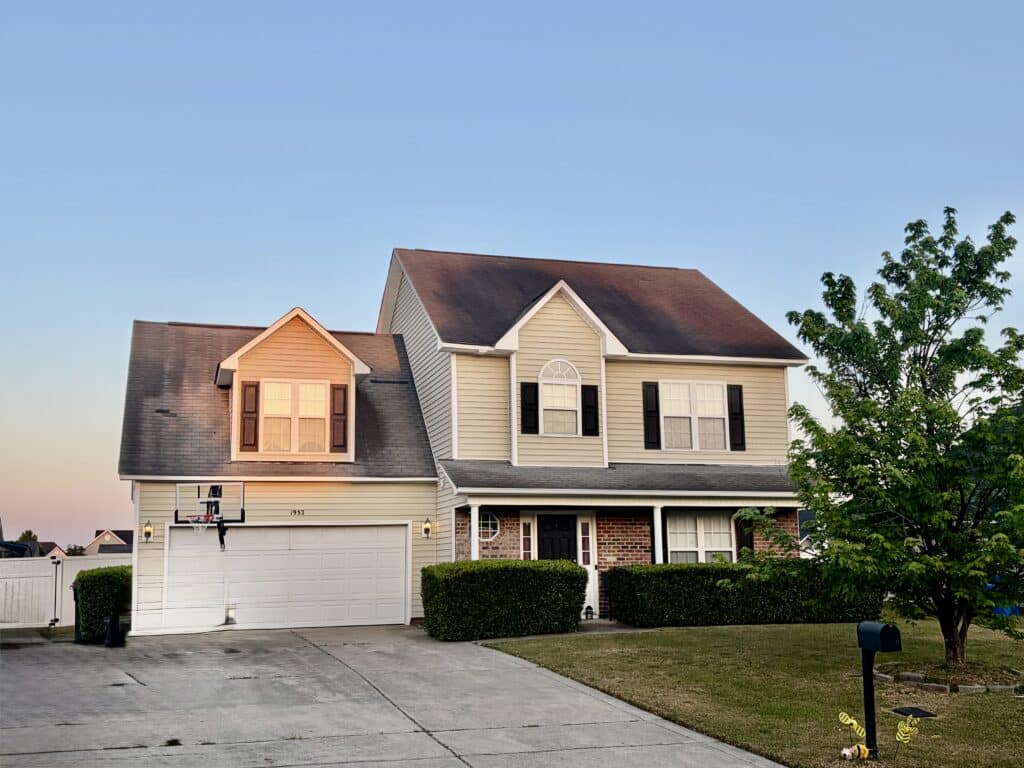
If damage is small and your roof is under 15 years old, a repair may be enough. If damage covers much of the roof, the roof is 20 years old or more, or a major storm caused broad damage, replacement may make more sense. An inspection should settle the choice.
Start With the Condition, Not the Calendar
The roof repair vs replacement choice is not based on age alone. A roofer should look at the whole system. That includes shingles, flashing, valleys, vents, the roof deck, and signs of water in the attic. The right answer depends on where the damage is and how far it has spread. The roof must still shed water as one sound system.
Winter adds a deadline, not a reason to sell you more work. Cold rain, wind, and an ice event can expose a weak spot that was easy to miss in warm weather. Ready.gov notes that winter storms can bring freezing rain, snow, ice, and high winds.[1] It is better to find an open seam or loose shingle before that weather arrives.
Blue Ribbon’s residential roofing guide gives a wider view of roof materials, age, and care. It is written for North Carolina homes. For this choice, though, start with the facts on your roof today.
Did You Know? A ceiling stain may not sit right below the roof leak. Water can travel along decking or framing before it drips, so the wet spot indoors may only be the first clue.
When a Roof Repair Is the Better Fit
A repair often makes sense when the problem is limited to one area. The rest of the roof should be in good shape. A roof under 15 years old may still have useful life left, but age is only a guide. Past work, storms, shade, and upkeep can change its condition.
Signs That Point Toward Repair
Repair may be the sound choice when an inspection finds:
- A few missing, lifted, or cracked shingles
- A small leak tied to one vent, pipe boot, or flashing point
- Damage limited to one slope or a tight area
- Solid roof decking around the damaged spot
- No pattern of repeat leaks in other parts of the home
- Shingles that can be matched well enough for a sound patch
The goal is to fix the cause, not hide the stain. The work may include new shingles or flashing. It may also call for sealing an opening or replacing a worn pipe boot. Blue Ribbon’s residential roof repair service explains what can often be fixed without replacing the full roof.
Pro Tip: Write down when you first saw the leak and what the weather was doing. Note the room, wall, or ceiling area. Those details can help the roofer trace the source faster.
A repair is not a lesser result when it solves the real problem. In fact, the honest call may be to leave most of the roof alone. Blue Ribbon assesses the full roof and does not recommend replacement when a repair will solve the problem. That process keeps the decision tied to roof condition, not job size.
When Roof Replacement May Be the Smarter Choice
Replacement may make more sense when the roof is failing as a system. Patching one spot will not help much if water can enter through several weak areas or if the shingles around a patch are near the end of their service life.
Signs That Point Toward Replacement
Ask about replacement when the inspection shows:
- Damage across several slopes or large sections
- A roof age of 20 years or more, along with wear or leaks
- Major storm damage that affects much of the roof
- Many curled, loose, cracked, or missing shingles
- Soft, wet, or damaged decking in more than one area
- Leaks that return after past repairs
- Repairs that would leave other near-term failures in place
A 20-year mark does not mean you must replace the roof. One roof may need work sooner. Another may still be sound. The inspection should show what is failing and why. If replacement is the better path, Blue Ribbon’s home roof replacement page explains what to expect.
Did You Know? Roof leaks are not the only source of attic moisture. The U.S. Department of Energy says moisture can also enter from indoor air.[2] Poor venting may trap it. A good inspection should tell a roof leak from an attic air or vent issue.
Use This Pre-Winter Decision Guide
Do not make the choice from the ground or from one phone photo. Use this short flow to sort the next step.
A Simple Repair-or-Replace Flow
- Is water entering the home now? Move belongings, catch the water, and call for service. Do not climb onto a wet or icy roof.
- Is the damage in one small area? If yes, and the nearby roof is sound, ask whether a repair can restore that section.
- Is the roof under 15 years old? Repair may be more likely, but the roof still needs a full check.
- Is the roof 20 years old or more? Look harder at broad wear, repeat leaks, and the condition of the deck. Age alone does not decide the job.
- Did a major storm hit many slopes? Ask for photos and a written explanation of all damage before choosing.
- Would a repair leave other weak areas? If yes, compare the value of another patch with a full replacement.
Pro Tip: Ask the roofer to show you three things: the source of the problem, the condition of the roof around it, and what could fail next. A clear answer should support either a repair or a replacement.
Before you approve work, ask for the facts in plain terms. Which parts are damaged? Is the deck sound? Can new shingles tie into the old ones? How long should the proposed fix last? What would change the advice? A good estimate should state the scope and materials. It should also state the limits of the work.
Timing also matters. Some roof work needs dry weather. Roofers must also follow material rules for safe use. An early fall inspection gives you more time to review the facts. You can then plan the work before a cold snap.
Roof Repair vs Replacement FAQs
Can I wait until spring if my roof only has a small leak?
Waiting can let water reach insulation, ceilings, or wood. Have the leak checked before winter, even if the stain is small. A roofer can tell you whether the fix is limited or whether the leak points to wider damage.
Does an old roof always need to be replaced?
No. Age is one part of the decision, not proof that a roof has failed. A 20-year-old roof with broad wear may be a replacement candidate, while a sound roof with one isolated issue may still allow a repair.
Can storm damage be repaired instead of replaced?
Yes, when damage is limited and the rest of the roof is sound. Replacement may be a better fit when wind, hail, or falling debris harmed many areas. Photos and a full-roof assessment should support the recommendation.
What should I expect from a pre-winter roof inspection?
The roofer should check the roof surface, flashing, vents, valleys, and other likely leak points. The review may also include the attic or roof deck when access allows. Ask for photos and a clear reason for each proposed repair.
Get a Clear Answer Before Cold Weather
A repair can be the right answer for a sound roof with one isolated problem. Replacement may be the better long-term step when wear, leaks, or storm damage reach much of the roof. The key is a full assessment before anyone recommends either job. That protects you from paying for work you do not need or leaving weak areas in place.
Blue Ribbon Roofing serves homeowners in Fayetteville and surrounding Cumberland County. If you are not sure which path fits your home, schedule a free roof inspection. The team will review the full roof, explain what they find, and help you choose a repair or replacement before winter weather arrives.
Sources
[1] Ready.gov — Winter Weather
[2] U.S. Department of Energy — Consumer Guide to Durable Attics