

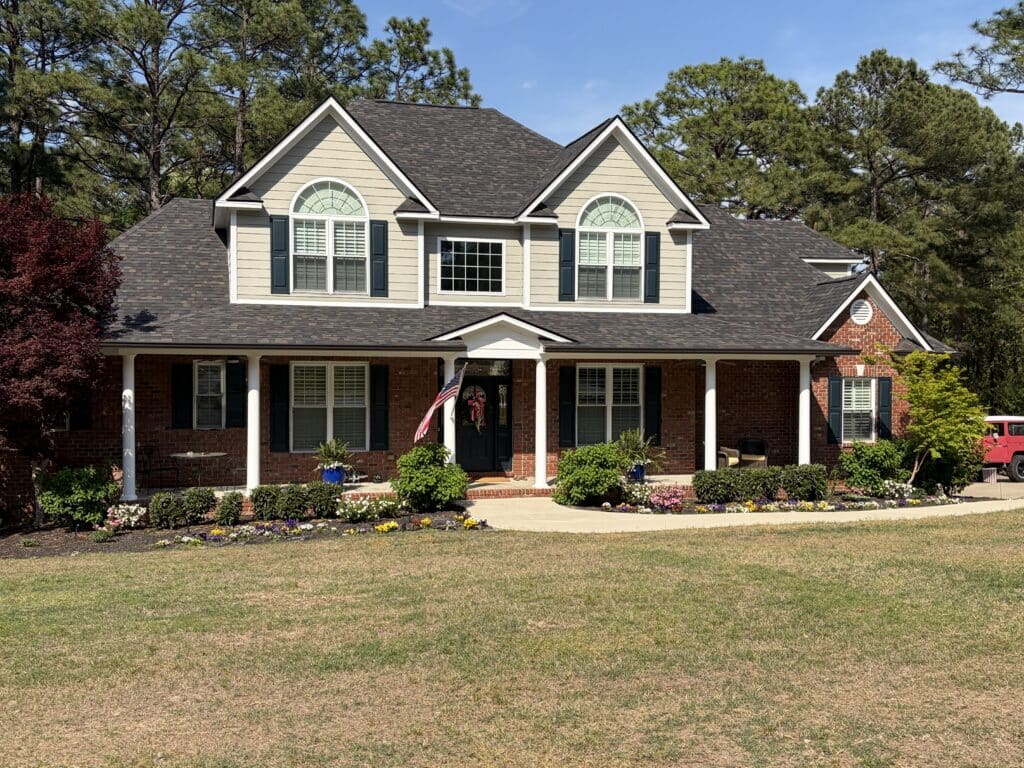
A roof replacement can be a large household expense, but homeowners have several ways to pay for it. Common options include cash, a home equity loan, a HELOC, a personal loan, contractor-arranged financing, or an insurance claim when covered storm damage is involved. Compare the full cost, monthly payment, fees, and repayment risk before choosing.
Start With the Roof, Then Choose the Payment Plan
Financing should follow a clear roofing scope, not replace one. Before comparing loans, get an inspection and a written estimate that explains the roof size, materials, tear-off, ventilation, flashing, cleanup, warranty coverage, and any deck work that may be needed.
A written scope gives you a number to compare. It also helps you avoid borrowing more than the project requires. Blue Ribbon Roofing’s home roof replacement service page describes its inspection, estimate, material-selection, installation, cleanup, and warranty-documentation process.
The first question is whether you need replacement at all. A limited leak or a small area of damage may call for a repair instead. Blue Ribbon says it will recommend a repair when that is the more sensible option. That can reduce the amount you borrow and ties the payment to the roof’s condition.
Did You Know? A low monthly payment does not show the total cost of a loan. A longer term can reduce the payment while adding more interest over time.
Cash, Home Equity, and Personal Loan Options
Cash or a Combination of Cash and Financing
Paying cash avoids loan interest and lender fees. It can make sense when the project fits your savings without reducing the emergency fund you need for mortgage payments, utilities, medical costs, and other repairs.
Many homeowners use a combination. Savings may cover part of the estimate while a smaller loan covers the rest. Borrowing less can lower the payment and total interest. Do not empty your savings if that would leave you unable to handle the next unexpected bill.
Ask whether the estimate separates needed work from optional upgrades. That helps you decide what can wait.
Home Equity Loan or HELOC
A home equity loan provides a lump sum that you repay over a set term. It may offer a fixed payment, which can make budgeting easier. A HELOC is a line of credit secured by your home. You draw money as needed, and the rate may change over time.
The Consumer Financial Protection Bureau explains the difference between home equity loans and HELOCs. Its guidance notes that a HELOC can have a draw period followed by repayment, and payments may rise when the repayment period begins. The CFPB also warns that falling behind on a HELOC can put your home at risk.
A home equity product may fit a homeowner with enough equity, steady income, and a plan for repayment. It may be a poor fit if the payment would strain the household budget or if the project amount is small compared with the fees and setup time.
Pro Tip: Ask for the rate type, draw period, repayment period, annual fees, closing costs, minimum draw, and any early-termination fee before choosing a HELOC.
Personal Loan
A personal loan is usually unsecured, so it does not use the home as collateral. The lender may set the rate, amount, and term based on credit history, income, debt, and other factors. A fixed-rate personal loan can provide a predictable payment, but offers vary widely.
Compare the annual percentage rate, or APR, rather than looking only at the advertised interest rate. APR can include certain fees and gives you a broader way to compare credit offers. Check the loan amount, origination fee, term, monthly payment, total repayment, and late-payment rules.
A personal loan may be easier to compare with a smaller project. It can also carry a higher rate than some secured products. Read the offer in full before accepting it, and do not let a fast approval push you into skipping the roof inspection or estimate review.
Pro Tip: Request the same project amount and term from multiple lenders so you can compare offers on equal footing.
Contractor Financing and Insurance
Contractor-Arranged Financing
Some roofing companies connect qualified customers with third-party lenders. Blue Ribbon’s financing page identifies Service Finance Company and Hearth as financing options and directs homeowners to contact the company to learn more and apply. Approval, rates, fees, terms, and promotional conditions come from the lender, not the roofing crew.
Contractor-arranged financing can be convenient because the application is tied to a known project. It still deserves the same review as a bank or credit-union offer. Ask whether a promotional period is truly interest-free or whether interest is deferred and may be charged later under the agreement. Ask what happens if the work changes, the project is delayed, or the final amount differs from the initial estimate.
Do not choose a payment plan only because it has the smallest monthly number. Compare the total amount paid and confirm when payments begin.
Insurance for Covered Storm Damage
Insurance is not a general roof replacement payment plan. A policy may cover certain sudden losses, such as wind or hail, while excluding wear, deterioration, neglect, or repeated leakage. The exact answer depends on the policy, the cause of damage, deductibles, limits, endorsements, and the insurer’s investigation.
The North Carolina Department of Insurance lists common dwelling-policy exclusions, including wear and tear, deterioration, and constant or repeated leakage. Review your policy and contact your insurer before authorizing major work when a storm may be involved. Take photos, protect the interior from additional damage when safe, and keep receipts for temporary measures.
Blue Ribbon’s insurance claim process explains the company’s role in documenting roofing damage and working through the claim process. A contractor can provide inspection findings and an estimate, but the insurer decides coverage under the policy.
Did You Know? A roof can have storm damage and age-related wear at the same time. An insurer may separate covered damage from maintenance issues, so ask for the scope of work in writing.
How to Compare Roof Financing Offers
Use the same project amount when you compare offers. Then review these items side by side:
- APR and interest rate: Look at the broader credit cost, not just the monthly payment or a short promotional rate.
- Total repayment: Multiply the scheduled payments and add listed fees. Check whether the payment can change.
- Term: A longer term may lower the payment but increase total interest.
- Collateral: Know whether your home secures the debt and what happens if payments are missed.
- Fees: Ask about origination, application, annual, closing, late, prepayment, and early-termination fees.
- Payment timing: Confirm when the first payment is due and whether the lender pays the contractor in stages.
- Project changes: Ask how supplements, hidden deck damage, or a material change affect the balance.
Get loan documents from the lender and the roofing scope from the contractor. These are separate documents with separate responsibilities. If you do not understand a term, pause and ask the lender to explain it in plain language.
Roof Replacement Financing FAQs
What is the best way to finance a roof replacement?
There is no single best option for every homeowner. Compare cash, home equity, personal-loan, contractor-financing, and insurance paths by total cost, payment risk, fees, collateral, and how quickly the roof needs work.
Can I use homeowners insurance to pay for a new roof?
Insurance may help when a covered event, such as wind or hail, caused the damage. Wear, deterioration, neglect, and repeated leaks may be excluded, so review the policy and speak with the insurer before approving replacement work.
Is contractor financing the same as a roof loan?
Contractor financing is often a loan or credit offer from a third-party lender connected with the roofing company. The lender sets approval, rates, fees, and terms, so read the agreement and compare its total cost with other offers.
Should I use a HELOC for a roof replacement?
A HELOC may fit a homeowner with enough equity and a reliable repayment plan, but it is secured by the home and often has a variable rate. Ask about draw and repayment periods, fees, payment changes, and the consequences of missed payments.
Choose the Payment Plan You Can Carry
A sound financing decision starts with a sound roofing decision. Get the roof inspected, request a written scope, and compare the full cost of each payment option. A smaller loan, a fixed payment, or a covered insurance claim may each be the right path in a different situation. Do not let a low advertised payment hide fees, a long term, or a changing rate.
Blue Ribbon Roofing serves Fayetteville and surrounding Cumberland County communities. Contact Blue Ribbon about a roof replacement estimate and available financing options so you can review the project scope before choosing how to pay for it.
Sources